The Mechanisms of Noise Intrusion
To prescribe the correct architectural remedy, one must first diagnose the exact nature of the sonic intrusion. Noise within a residential structure behaves identically to water; it finds the path of least resistance, flowing through structural gaps and exploiting rigid connections. We categorize these intrusions primarily into airborne and structure-borne (impact) noise.
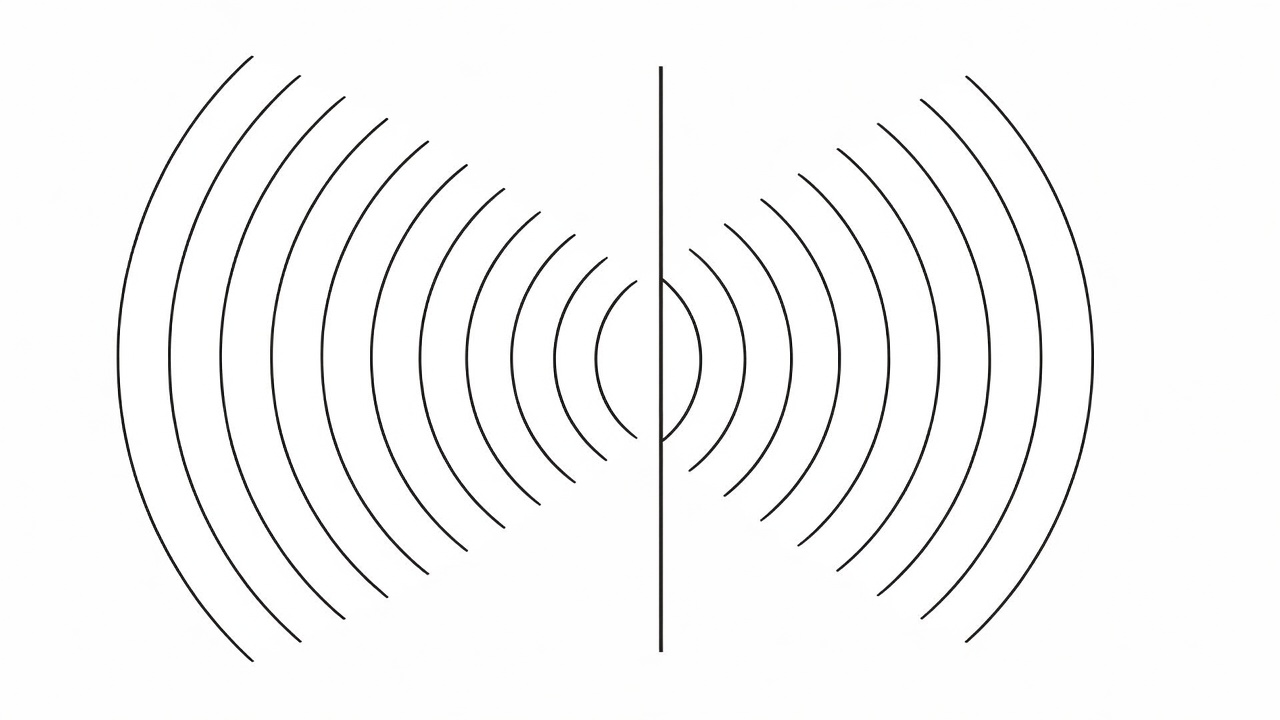
Airborne Transmission
Airborne noise propagates through the air. Common domestic sources include conversational voices, television audio, crying infants, barking dogs, and external traffic noise. When these sound waves strike a partition (like your drywall), the acoustic energy forces the wall to vibrate. This vibration is then transferred to the air on the opposite side of the wall, regenerating the sound in your adjacent room.
High-frequency airborne sounds are relatively easy to block; simple mass often suffices. However, low-frequency airborne noises—such as the rumble of heavy truck engines or a neighbor's subwoofer—possess longer wavelengths that easily penetrate standard residential framing.
Structure-Borne (Impact) Transmission
Impact noise is inherently more difficult to mitigate. It is generated when an object strikes the building's structure directly. The kinetic energy from the impact sends vibrational waves traveling rapidly through joists, studs, and concrete. Examples include heavy footsteps on an upper floor, dropped items, moving furniture, and the mechanical vibrations of a washing machine on a spin cycle.
Because the building's skeleton itself becomes the conduit for the sound, treating the air cavity or adding mass to the drywall is often insufficient. Structure-borne noise requires physical decoupling—breaking the rigid path between the source of the impact and your ceiling or walls.
Flanking Paths
A flanking path is an indirect route that sound takes to bypass an acoustic barrier. Imagine installing an expensive, dense, decoupled wall to block noise from a neighbor, only to find you can still hear them perfectly. The sound may be flanking your new wall by traveling over the ceiling joists, under the floorboards, or through shared HVAC ductwork and back-to-back electrical outlets. Addressing flanking paths is critical for comprehensive acoustic wellness.